
Enggano Island
Enggano is one of Indonesia’s outermost islands, located in the Indian Ocean and bordering India. Administratively, the island is located in Enggano District, North Bengkulu Regency, Bengkulu Province, approximately 175 km from Bengkulu City, 123 km from Manna City, 133 km from Bintuhan City, and 513 km from the capital, Jakarta.
The journey from Jakarta to Bengkulu takes approximately 1.5 hours by plane. From Bengkulu, Enggano Island can be reached by a pioneering flight in 40 minutes, or by ferry in approximately 12-18 hours.
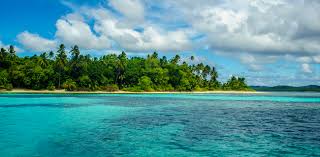
Enggano Island covers an area of 400.6 km2 and has a coastline of 112 km. Its topography ranges from 5 to 102 meters above sea level. The highest peak, Mount Kana Buwabuwa, reaches 281 meters. Its white sand beaches are lined with coconut trees and shrubs. To the west of Enggano Island are small islands such as Dua Island, Merbau Island, Bangkai Island, and Satu Island.
Several large and small rivers flow through Enggano Island, including the Air Kinono, Air Kianopo, and Air Kuala Kikin rivers. These rivers influence the island’s biodiversity. In recent years, many researchers have discovered the unique biodiversity of Enggano Island, distinguishing it from that of Bengkulu Island.
Adventure
Nearly every river mouth is inhabited by crocodiles, ranging in size from small to gigantic. Birdwatching: Many wild birds can be found in Enggano, including those found at the Gunung Nanua Bird Park. Two endemic species of the Enggano Islands are the Enggano Scops-owl, with a Near Threatened Conservation Status, and the White-eye, with a Vulnerable Conservation Status.
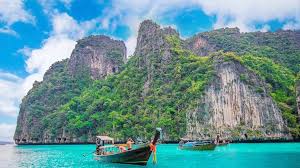
For those who enjoy hunting, wild boar is one of the most promising game species on Enggano Island. The presence of traditional hunting groups is a particular attraction, using traditional tools and local hunting dogs. For those who enjoy fishing, Enggano Island is the perfect place. Interesting spots for fishing can be found around Sawang Bugis in the southwest of Enggano Island, using fishing boats and around river estuaries.The existence of various tribes and the continued adherence to the ancestral religion (Ameok) is a distinctive cultural feature of Enggano. Exploring the island reveals numerous Maula, places of worship for the Ameok religion, typically located in the deserted, densely forested mountains.