
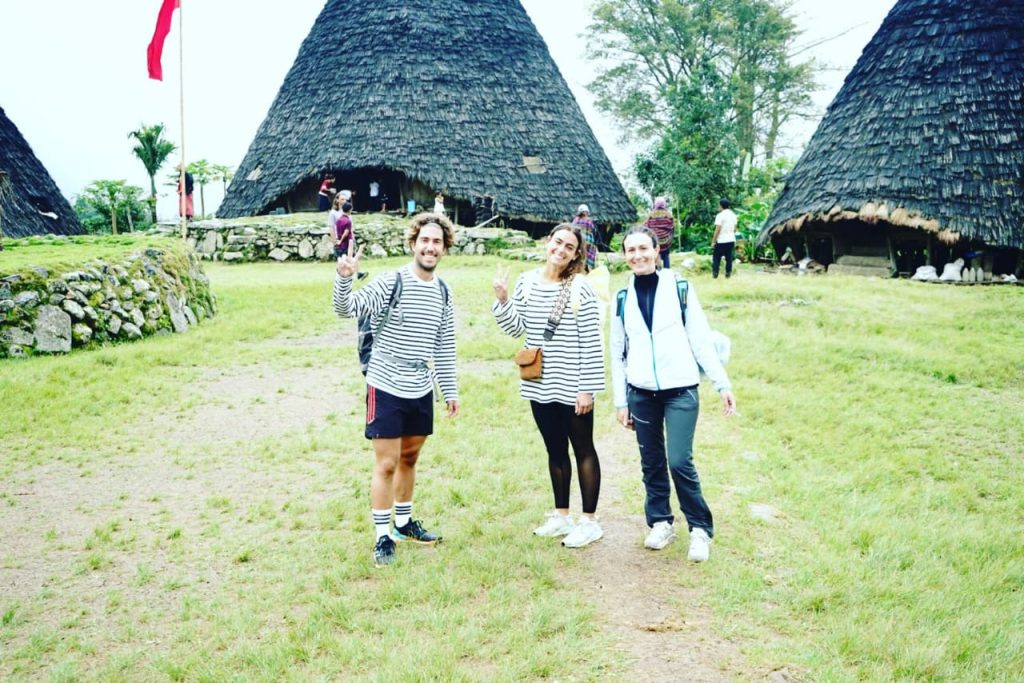
Wae Rebo Traditional Village
Wae Rebo Traditional Village, Wae Rebo is a remote and picturesque traditional village located in the highlands of Flores Island, in East Nusa Tenggara, Indonesia.
Key Facts about Wae Rebo:

-
Location: 1,200 meters above sea level in the mountains of West Flores.
-
Access: Requires a 3-4 hour hike from the nearest village, Denge.
-
Houses: The village has seven conical thatched houses (Mbaru Niang), built from bamboo, wood, and palm fiber.
-
People: Home to about 1–2 dozen families from the Manggarai ethnic group.
-
UNESCO Recognition: Received the UNESCO Asia-Pacific Heritage Award in 2012 for cultural preservation.
Why Visit Wae Rebo?
-
Breathtaking Views: Surrounded by cloud forest and mountains.
Would you like help planning a trip to Wae Rebo or recommendations for nearby places?
This tropical forest is rich in vegetation, where you will find orchids, different types of ferns and hear the chirping of many songbirds. In 2012 Wae Rebo has received the Top Award of Excellence from UNESCO in the 2012 UNESCO Asia Pacific Heritage Awards
How to get there?
The only option to get to the Wae Rebo village from Labuan Bajo is by car.
Melo, Denge, and Wae Rebo: Cultural Traces in the Flores Mountains
On Flores Island, East Nusa Tenggara, there are three villages that reflect the richness of Indonesian culture and nature: Melo Village, Denge Village, and Wae Rebo Village.
Melo Village Denge Village
Wae Rebo VillageWae Rebo is a remote traditional village located at an altitude of around 1,200 meters above sea level. To reach it, it takes 3-4 hours of trekking from Denge.
We will pick you up at your hotel early in the morning at 6:00 to drive to Melo. From Denge we will start our trekking trip (approx. 3-4 hours) the Wae Rebo village. We will enjoy an incredible dinner in the village and spend the night in a traditional house in Wae Rebo.
Day 2: Denge Lingko Cara

Denge Lingko: Traditional Land Management in Manggarai, Flores
Introduction.Denge Lingko is a traditional land management system originating from the Manggarai indigenous people in Flores, East Nusa Tenggara, Indonesia. This system reflects the cultural and spiritual attachment of the local community to nature and communal spatial planning.
The Origin and Philosophy of Lingko
Lingko Land Division Method
Lodok Determination
Territorial Division Joint Management
Social and Ecological Functions Threats and Conservation Modernization, development pressures, and shifts in cultural values are major challenges for Lingko conservation. Documentation and education of local culture Legal recognition of customary land rights Integration with government spatial planning policies
Conclusion
Denge Lingko is a valuable cultural heritage that reflects the harmony between humans, land, and spirituality. Conservation of this system is essential for the social and ecological sustainability of the Manggarai community.
The next morning we will have breakfast in the village and you will have some free time to experience Wae Rebo and its surroundings.
We will be back in Labuan Bajo in the afternoon and we will drop you off at your hotel.
The Tour End
Contact Us For More Information About Wae Rebo Traditional Village Tour !