
Day 01
Baun Pusuk
Baun Pusuk: Natural Paradise on the Ridge of Lombok Island Baun Pusuk is a hilly area located on the route between Mataram City and the Tanjung area on Lombok Island, West Nusa Tenggara. The name “Pusuk” in the Sasak language means “peak,” referring to its location at a high altitude and offering extraordinary natural scenery.
Natural Attractions
Baun Pusuk is famous for its dense tropical forests, cool air, and charming mountain panoramas. Along the winding road, visitors will be treated to green views of hills and valleys that are pleasing to the eye. At several points, there are viewing posts that allow tourists to enjoy the Lombok landscape from a height.
Friendly Wild Monkeys
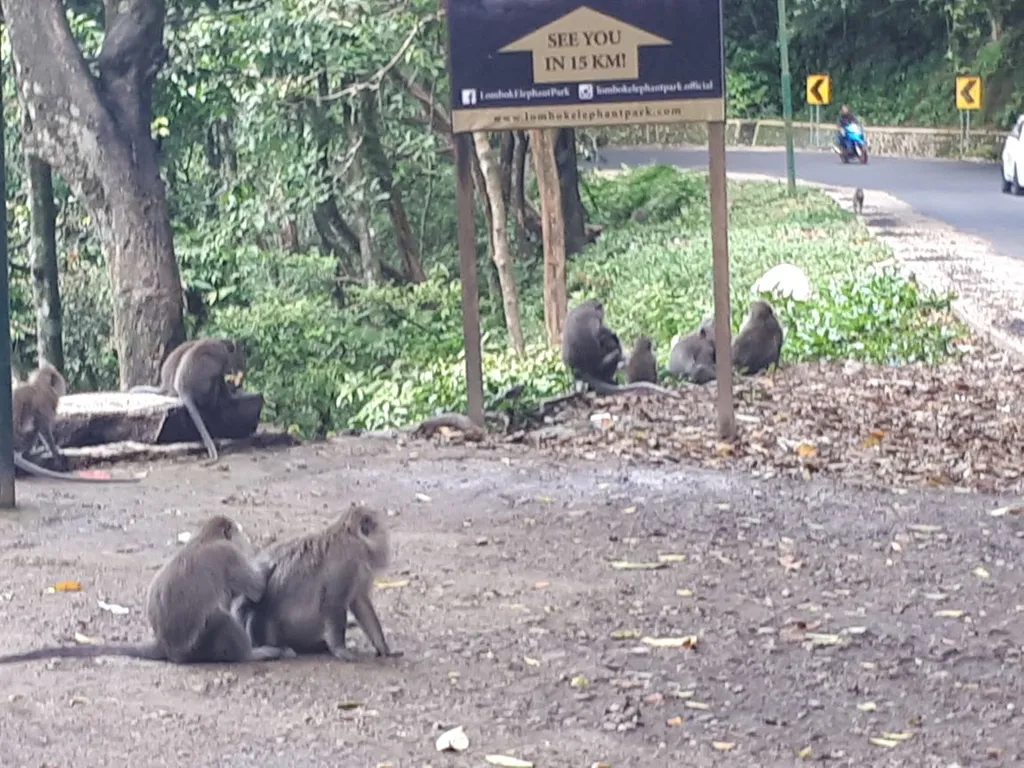
One of the characteristics of Baun Pusuk is the presence of wild monkeys that live along the road. These monkeys are quite tame and often approach visitors, especially if given food. This is a special attraction, especially for domestic and foreign tourists who want to interact directly with wild animals.
Access and Activities
Access to Baun Pusuk is quite easy, especially for those using private vehicles or renting a car. In addition to enjoying the scenery, visitors can also stop for a moment to relax, take pictures, or just breathe in the fresh mountain air.
Senaru Village
Senaru Village is a traditional Sasak village located on the northern slopes of Mount Rinjani in Lombok, Indonesia. It serves as one of the main gateways for hikers beginning the Mount Rinjani trek, making it a popular spot for both cultural and eco-tourism.
Key Highlights of Senaru Village:
-
Cultural Experience: Senaru is home to the Sasak people, the indigenous ethnic group of Lombok. Visitors can explore traditional houses made of bamboo, thatched roofs, and earthen floors, and observe daily life and rituals that have remained largely unchanged for generations.
-
Access to Mount Rinjani: The village is a popular base for trekking Mount Rinjani, the second-highest volcano in Indonesia. Many guided treks begin from here, heading up through lush forests and alpine meadows.
-
Waterfalls:
-
Sendang Gile Waterfall: Located just a short walk from the village, this is a beautiful two-tiered waterfall with a refreshing natural pool.
-
Tiu Kelep Waterfall: A bit further downstream, this more dramatic waterfall is set in a lush jungle and is a favorite among photographers and nature lovers.
-
-
Eco-Tourism and Homestays: Many local families offer homestays, giving visitors an authentic look into Sasak culture. The village also promotes sustainable tourism to preserve the natural environment.
Bayan Old Mosque
The Bayan Old Mosque, also known as Masjid Kuno Bayan Beleq, is one of the oldest mosques in Lombok, Indonesia. It’s located in the village of Bayan in North Lombok and holds deep cultural and religious significance for the Sasak people, the indigenous ethnic group of the island.
Key facts about Bayan Old Mosque:
-
Built in the 16th century, shortly after Islam began spreading through Lombok.
-
Constructed using traditional materials: bamboo for walls, thatched grass for the roof, and wood without the use of nails.
-
It reflects a blend of Islamic and local Sasak architectural styles, symbolizing the early adaptation of Islam within local traditions.
-
Still used today, particularly during major religious events like Maulid Nabi (the Prophet Muhammad’s birthday).
-
It plays an important role in the Wetu Telu Islamic tradition—a unique syncretic belief practiced by some Sasak Muslims, combining Islam with pre-Islamic beliefs.
Sendang Gile Waterfall
Sendang Gile Waterfall is a stunning natural attraction located in Senaru village, on the northern slopes of Mount Rinjani, Lombok, Indonesia. It’s one of the most popular waterfalls on the island, known for its lush surroundings and cool, refreshing waters.
Key Details:
-
Location: Senaru, North Lombok, West Nusa Tenggara, Indonesia.
-
Height: Approximately 31 meters (102 feet).
-
Accessibility: A short hike (about 15–30 minutes) down a paved path and steps from the entrance in Senaru.
-
Best Time to Visit: During the dry season (April to October) to avoid slippery paths and stronger currents.
Highlights:
-
Two-tiered waterfall: Often visited along with Tiu Kelep Waterfall, which is about a 30-minute hike further upstream.
-
Cool, misty environment: Great for a dip or just relaxing by the falls.
-
Myth: Local legend says the water has rejuvenating powers and can make you look younger.
Day 02
Sembalun Lawang
Sembalun Lawang is a village situated on the eastern slopes of Mount Rinjani. This place is surrounded by hills. The weather is cold and the view is very beautiful. There are many pleasant walks and stunning views with fields of onion and garlic in the surrounding area.
Lemor
Lemor a Botanical garden one of the protected forest area with various flora and fauna and part of Mounth Rinjani National Park with a height of 700 meters above sea level.
Pringgesela
Pringgesela is A village of traditional handwoven cloths, with silver thread and other special ornaments are on hand loom in pattern.
Tetebatu
Tetebatu is located at the foothill of Mt.Rinjani, with cool weather, fresh air, and is surrounded by rice fields and forest. Overnight at the quiet village homestay.
Day 03
Loyok
Loyok and its surrounding area is famous for bamboo crafts.
Sade / Rambitan
Sade / Rambitan. These are traditional Sasak villages where we can see Sasak houses and women who still wear traditional dresses
Kuta Beach
Kuta Beach. On the ruggedly beautiful south coast of Lombok lies the impressive white sandy expanse of Kuta beach. The beach is a perfect place to wander at low tide, among a plethora of shells, coral and other marine life.
Banyumulek
Banyumulek village is well known as producers of enormous decorated pots.
Included :Accomodation,English Speaking Driver,Mineral Water,and Donation.
Excluded :Meals and Personal necessary